Aesop-ification of homegrown personal brands
The Aesopification of Indian Personal Care
For the longest time, Indian personal care lived in two worlds. There were the big legacy brands that functional, familiar and then there was aspiration, which almost always came from the west
Today, a new wave of homegrown Indian brands is not only just matching global benchmarks on function they’re competing on form, philosophy, and feeling.
Call it the Aesopification of Indian personal care
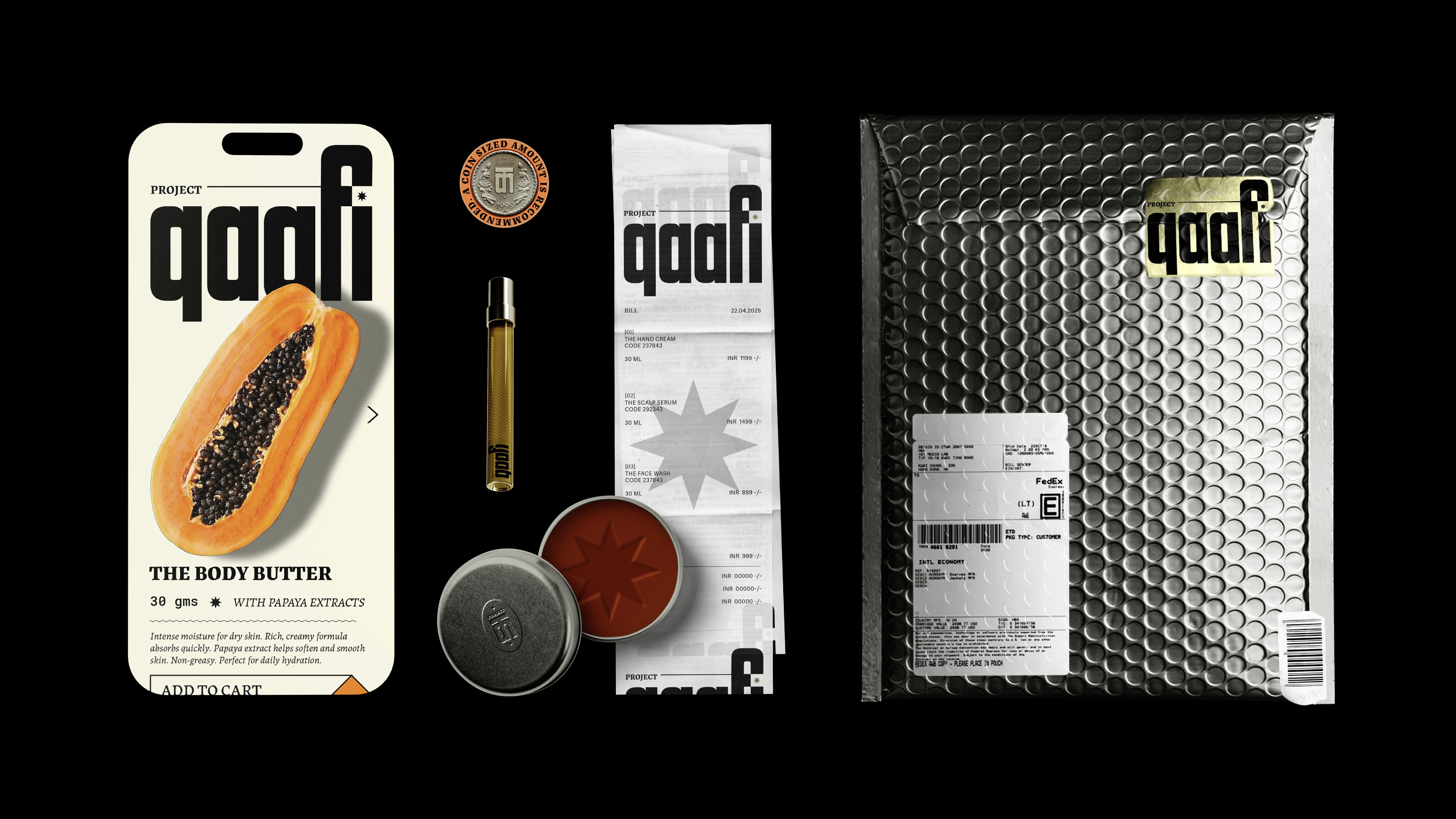
Products that were once purely functional are now objects of desire. Take Project Qaafi, which openly references Aesop as a benchmark, not to copy, but to signal intent. Minimal packaging, restrained colour, slow storytelling. Skincare that feels editorial, not promotional.
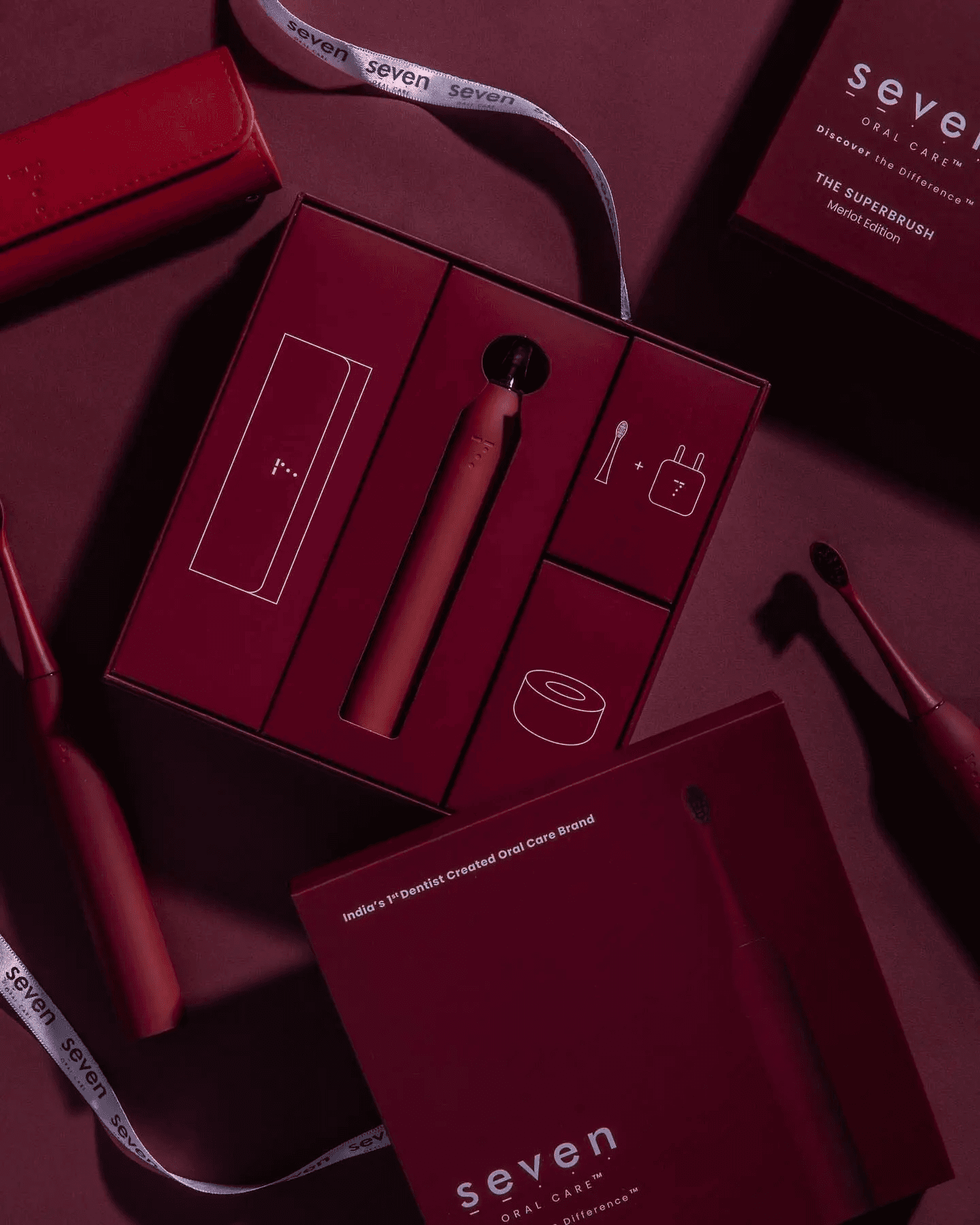
Another example is Salt Oral Care, quietly reshaping dental hygiene. Toothbrushes and pastes that don’t hide in cabinets anymore, because they finally look like they belong next to your serums. Oral care, but made… desirable.
These brands are changing how it feels to own and use the same products and disrupting the categories.
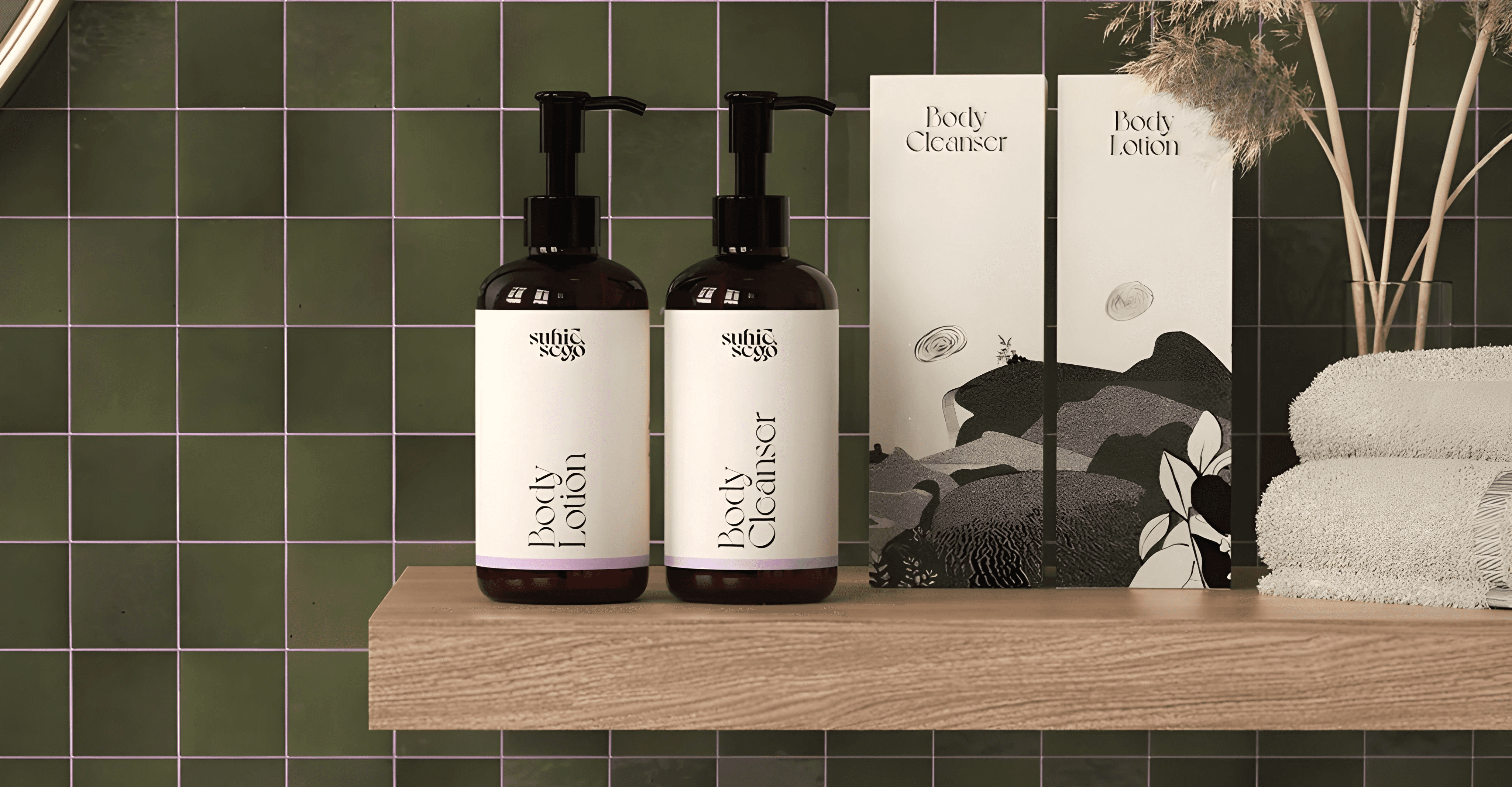
What’s more interesting is where this shift is spreading, we’re seeing a premiumisation is slowly moving into the mundane categories of our lives. We’re looking at category disrupters from premium handwashes and even detergrent designed solely for our underwear.
This is premiumisation entering the everyday not just luxrious display but actual routine.
What’s happening in personal care is really a preview of something larger. A slow but steady premiumisation of stagnant categories where legacy monopolies are being challenged not just by price or performance, but by design intelligence and cultural relevance. This isn’t about luxury in the traditional sense. It’s about intentional everyday living.
Better soap. Better detergent. Better toothbrush. Better objects around you. Small upgrades.
The Aesopification of Indian personal care isn’t about becoming Aesop. Indian brands realising that even the most ordinary products deserve extraordinary thought.




Let’s keep in touch.
Discover more. Follow us on Substack and Instagram.