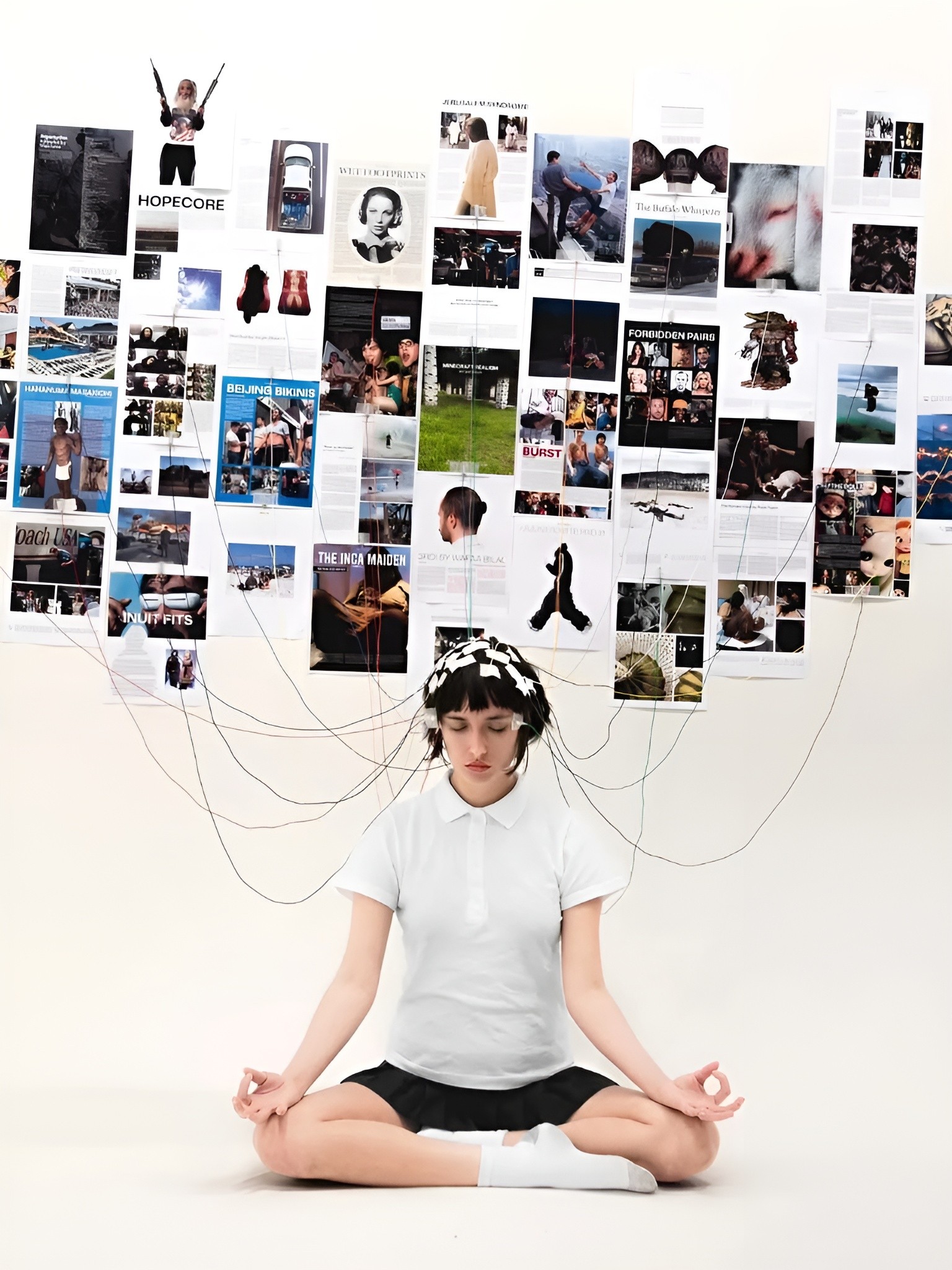
Is creating something 100% original possible
How Creative References Help Build Distinctive Brand Identity (and Why It Matters for Discovery)
In an era where visuals are everywhere and design languages seem interchangeable, one of the biggest differentiators for a brand isn’t complete originality; it’s how you use creative references thoughtfully.
Borrowed straight from the culture of designers and creative directors, a creative reference isn’t about copying a trend or mimicking a visual style for “vibes.” It’s about understanding core ideas from past or existing work, and transforming them into something that feels entirely your own.
Here’s why this matters for modern brands, especially the design-forward beauty and personal care brands we celebrate at Reborn Goods.
Why References Aren’t “Cheating” They’re Intelligence
Creativity doesn’t happen in a vacuum. No designer, brand, or storyteller starts with an entirely blank slate. Instead, they draw from influences- history, culture, design systems, and even unrelated categories to inform decisions with intent.
The key isn’t not having references- it’s using them in a way that adds meaning, not just “vibes.”
Instead of borrowing for style alone, the best creative work reflects why the reference matters to the story you want to tell. That’s what separates surface-level mimicry from meaningful visual heritage.
Three Ways Creative References Become Strategic Tools
Here are simple, practical frameworks (adapted from creative practice) that help brands use references without losing originality:
Intensity Dials- Push Visual Concepts Farther
Ask questions like:
• What would this look like if we amplified the idea?
• What if we stripped it down to its essence?
By changing the intensity of a reference- making something bigger, smaller, saturated, or minimal; you unlock fresh visual territory that belongs to your brand voice.Culture Clashing- Combine Unrelated Elements
A strong brand theme can be combined with unexpected influences to produce truly unique visuals. For example, layering a vintage print ad style with modern motion formats or mixing traditional motifs with futuristic typography can produce familiar yet novel brand language.This is how great discovery happens: it’s recognizable enough to feel comfortable but different enough to make someone stop and remember.
Era Transposition- Reimagine Old Ideas for Today
Take a visual cue from another time period- 1950s editorial layouts, 80s neon color palettes, or even early cinema framing- and apply it in a contemporary context. This gives your design a sense of heritage and depth, while still feeling relevant for today’s platforms.
Creative References + Brand Discovery = Better Design Signals
At Reborn Goods, we believe that strong creative references are not shortcuts, they’re intelligence tools:
• They help visual languages feel authentic, not fabricated.
• They give brands context in a crowded visual economy.
• They anchor aesthetics in history and intention, not whim.
When a brand understands not just what to borrow, but why and how to remix it, it speaks with authority and that’s the kind of work that gets noticed beyond ads and algorithms.
Better than Vibes- Intentional Inspiration
Too often, brands fall into the trap of copying a visual trend simply because it’s popular. But trends fade- distinctive identity doesn’t. Using creative references strategically means:
• Avoiding surface-level imitation
• Choosing inspirations that support your brand narrative
• Creating visuals that feel familiar yet unmistakably yours
Great design isn’t about being the most original in history, it’s about being most original to your audience.



Let’s keep in touch.
Discover more. Follow us on Substack and Instagram.