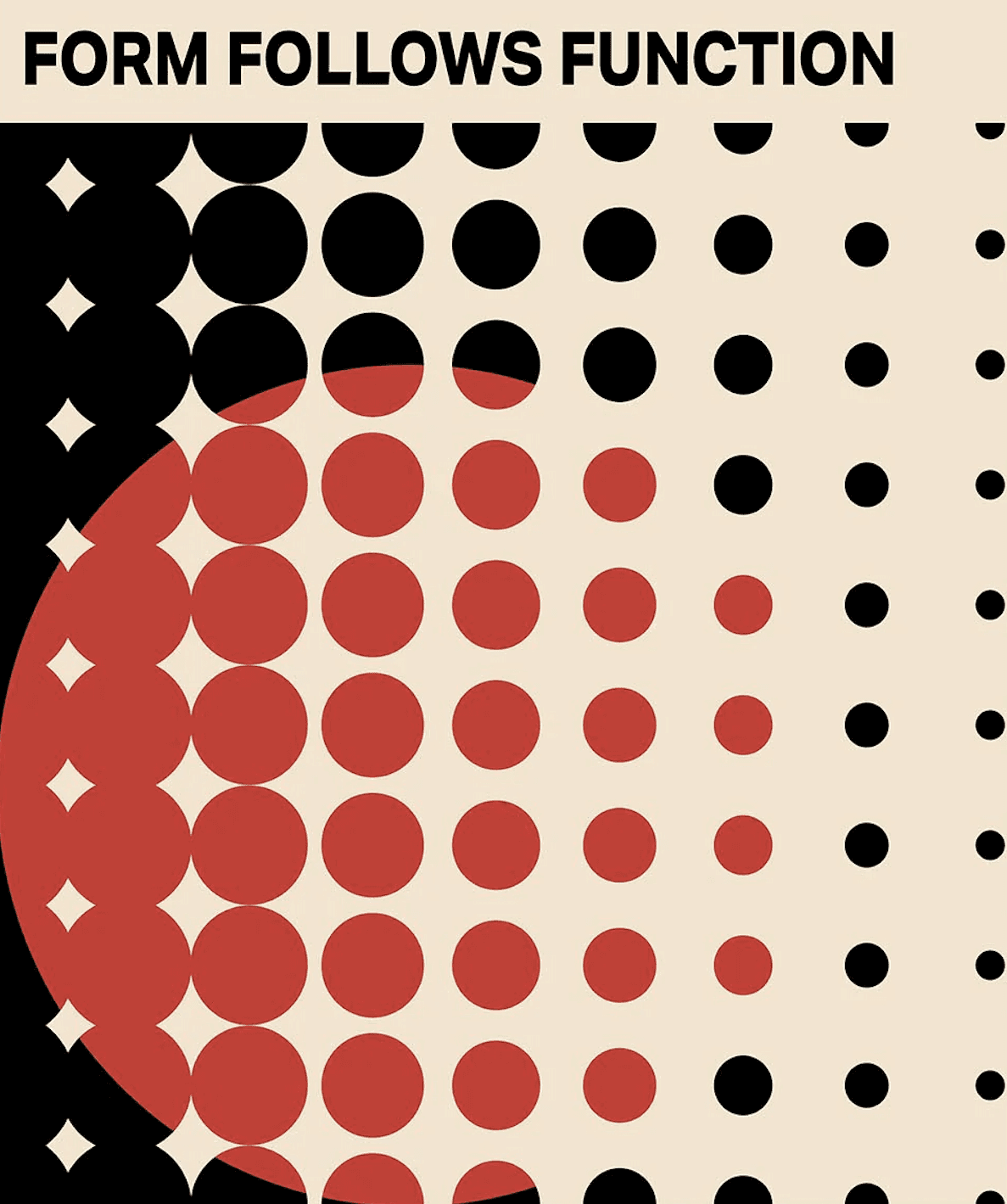
The dual promise of form and function
When Indian Brands Started Caring About Design
A few years ago, if you walked into a bathroom cabinet or kitchen shelf, you’d see the same names: reliable, familiar, functional. But if you asked someone to admire the objects on those shelves as artifacts of design, you’d likely get a shrug.
That’s changed.
There’s a quiet revolution happening in India’s consumer landscape. Across categories that were once purely functional - personal care, oral hygiene, household basics , a new generation of brands is redefining what “premium” means. Not through flashy logos or celebrity endorsements, but through thoughtful design, cultural resonance, and aesthetic intention.
This isn’t the old premiumisation that simply raised prices. This feels different. It feels cultural.
The shift starts with a simple idea: people don’t just want products that work they want products that feel like extensions of themselves.
Take Salt Oral Care. Brush, toothpaste, mouthwash - categories that have lived in sterile packaging for decades, suddenly feel intriguing. Salt’s toothbrushes aren’t tucked away in plastic mugs. They sit proudly beside skincare serums, bathroom ceramics, and espresso cups. The design isn’t just clean; it’s aspirational. Toothbrushes that look good are not novelty anymore, they’re becoming expected.
What Salt achieved is a simple brand insight: oral care is daily, and anything daily deserves design that doesn’t embarrass you in daylight or on camera.
Then there’s Project Qaafi, which openly names design and cultural context as part of its identity. Skincare in India has often relied on heritage cues - traditional ingredients, botanical categories, ritual language but too often it reads like a museum exhibit. Qaafi does something subtler: it borrows minimalism without erasing context, aestheticizes heritage without vacuum-packing it. Their packaging evokes quiet confidence, not nostalgia masquerading as trendiness.
Qaafi’s visual language acknowledges lineage while also signalling that Indian identity isn’t one thing, it can be contemporary and cosmopolitan too. That’s a design insight, not a fad.
Across the aisle, something similar is happening in categories that have been long ignored. OWN - a brand focused on simple, slow-made soaps doesn’t indulge ornate packaging or complex claims. Instead, it strips everything back to essentials: ingredients, composition, and texture. The design feels honest, thoughtful, and refreshingly unstyled which in an era of digital spectacle becomes its own form of aesthetic.
It’s not ornamental. It’s intentional.
In a world fixated on what’s new, OWN reminds us that what feels right can be as compelling as what looks shiny.
Meanwhile, haircare once dominated by functional claims and mass positioning is seeing its own design renaissance. Brands like Indē Wild and Moxie Beauty are emblematic of this shift. Packaging, language, community stories, and social expression are as integral to what they deliver as the actual product.
Indē Wild’s aesthetic blends soft minimalism with cultural cues that feel rooted without feeling fusty. Moxie Beauty, on the other hand, wraps performance in an attitude confident, contemporary, and irreverent. In both cases, the design choices signal that haircare isn’t just about treating ends and roots it’s about identity expression.
What ties these brands together is not the price tag, but the reason behind it.
Premiumisation used to mean complex formulas and celebrity campaigns. Today, it means thoughtful objecthood - products that make you feel something, that integrate into your daily rituals with ease, and that look good outside the frame of an ad.
This trend is not limited to beauty and personal care. It’s visible everywhere consumer products have remained stagnant and monopolised by legacy players.
Take the humble detergent category, historically a battlefield of loud claims and predictable packaging. New brands like Koparo are reshaping expectations by offering safer formulations in calm, considered visual systems. They communicate care without shouting.
What This Says About Indian Consumers Today
The interesting part isn’t just that these brands exist. It’s that consumers are embracing them.
Indian consumers once equated premium with international labels because design pedigree was assumed to reside elsewhere. That’s changing. People are increasingly open to homegrown design intelligence, even in categories that remained untouched for generations.
Consumers now want function, but they also expect form that feels intentional and the barrier to entry for such brands is lower today than ever before.
We are witnessing the reinvention of categories that were long considered mundane. Premium handwashes, thoughtfully designed personal care, oral care that feels intentional, detergents that communicate calm confidence all signal a broader shift.
Products have become cultural artefacts and design has meaning beyond just decoration.
In a world saturated with products, it’s the brands that look and feel thoughtful that people choose to bring home.




Let’s keep in touch.
Discover more. Follow us on Substack and Instagram.