Experience Is the New Retail:
Why Brands Are Offering More Than Just Products
Why Brands Are Moving From Selling Products to Designing Experiences
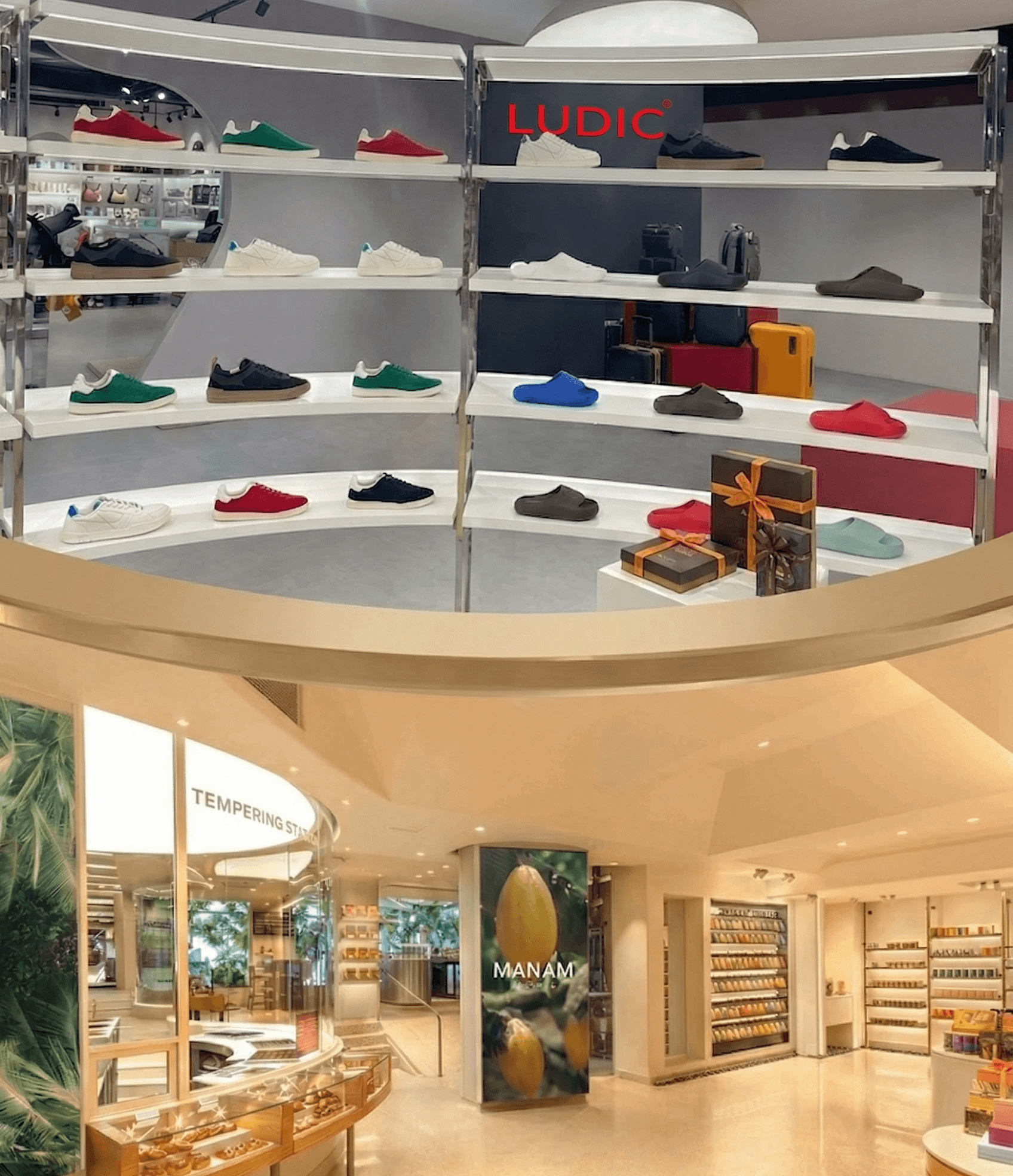
You’ve probably noticed it everywhere lately, fashion labels opening cafés inside stores, luxury brands hosting wine tastings, and retailers turning checkout counters into lounges. The point isn’t coffee or cocktails - it’s attention, connection, and experience.
Today, brands don’t compete on products alone.
They compete on moments , the physical and emotional occasions where a customer feels something meaningful.
Retailers are building immersive spaces because experiences slow people down and extend dwell time. It enables customers make associations beyond price or performance and relationships grow where engagement outlasts a transaction
And this shift isn’t limited to luxury or fashion; it’s reshaping how consumers discover, feel, and belong to brands across categories.
Consumers today don’t just want goods, they want stories they can step into. Buying turns into belonging when experiences are designed to make someone feel seen, curious, and invited.
Physical interaction builds emotional memory in a way screens never can. Tactile experiences with touch, scent, sight create stronger brand recall than scrolling past another ad. Once someone can feel a product in context, the brand becomes visceral, not just visual. That’s the power of sensory branding - turning every brand contact point into a moment of emotional resonance.
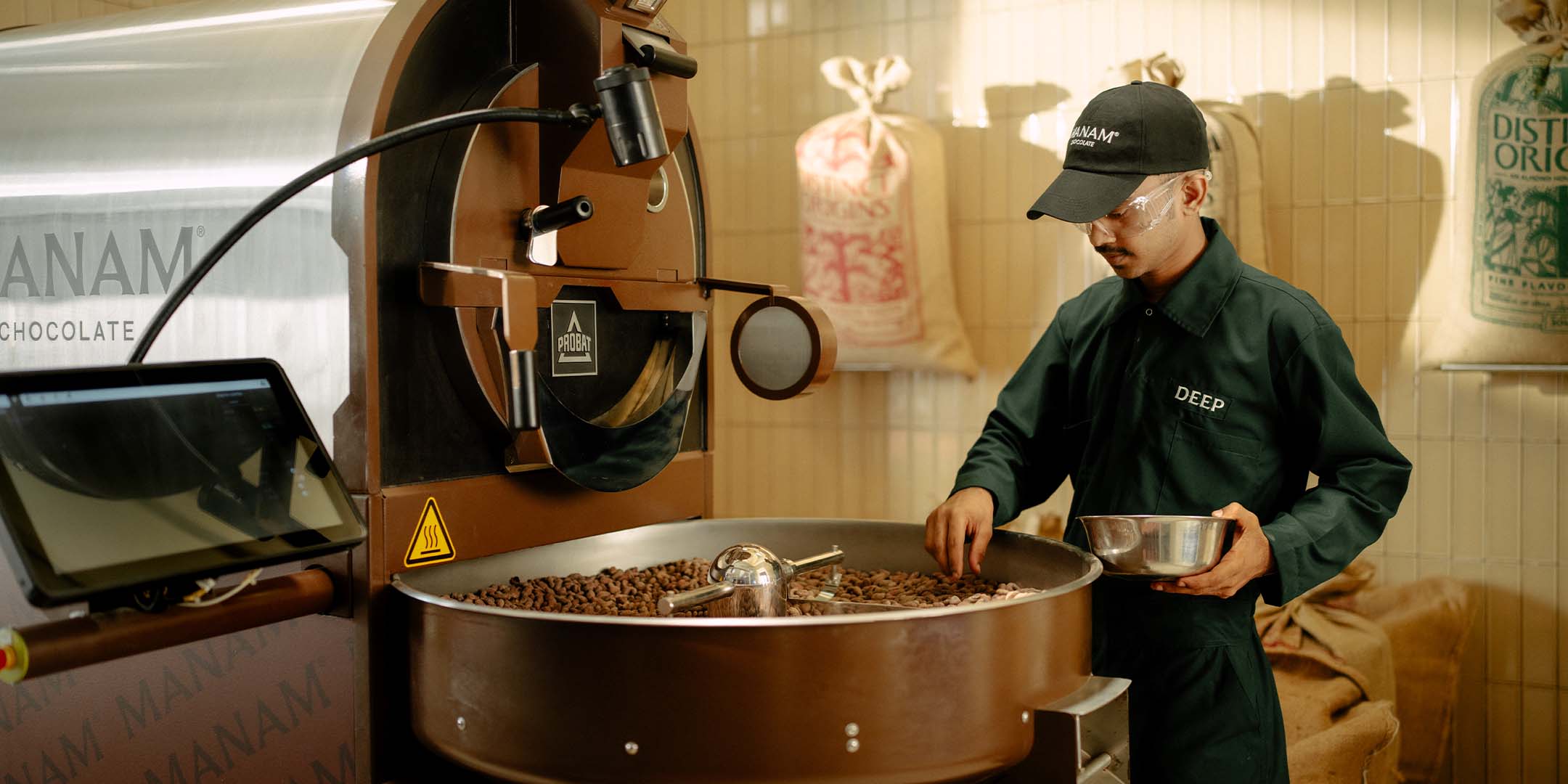
Take Manam Chocolates, for example. Beyond selling bean-to-bar chocolate, Manam offers factory tours and workshops that give both existing and potential customers a window into their process. Visitors can see how craft chocolate is made, participate in tastings, and understand the journey from bean to bite. These aren’t transparency tours tucked at the end of a receipt. They’re designed experiences that make the brand feel alive, educational, and tangible.
Their flagship Karkhana concept , a hybrid space where production, consumption, and celebration coexist transforms visitors from shoppers into participants. Here, chocolate isn’t just a product; it’s a ritual. A craft. A memory you take home.
That shift from transaction to experience is where emotional stickiness is built.
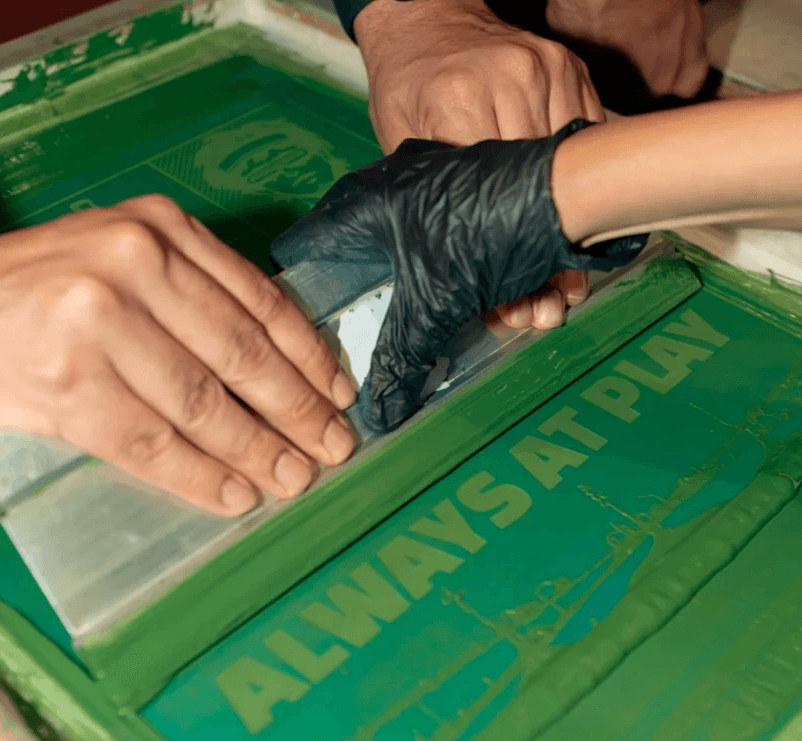
Across categories, other brands are also rewriting the rules. Ludic, the footwear-first lifestyle brand, recently staged its physical pop-up and it looked nothing like a traditional shop.
Instead of racks and price tags, visitors encountered a lived brand universe. A live DJ set set the mood. A live screen-printing station offered customisation on tees. Music. Movement. Participation. This wasn’t a place to buy sneakers.
It was a place to experience Ludic , to wear it, feel it, and shape it.
In a world saturated with digital drops, exclusives, and limited releases, Ludic’s pop-up didn’t just sell product, it amplified identity. Consumers didn’t just walk away with an item. They walked away with a memory, a photo, a story.
That’s the kind of experience that gets talked about, shared, and repeated.
Even in beauty , a category already obsessed with self-care rituals - the experiential shift is happening.
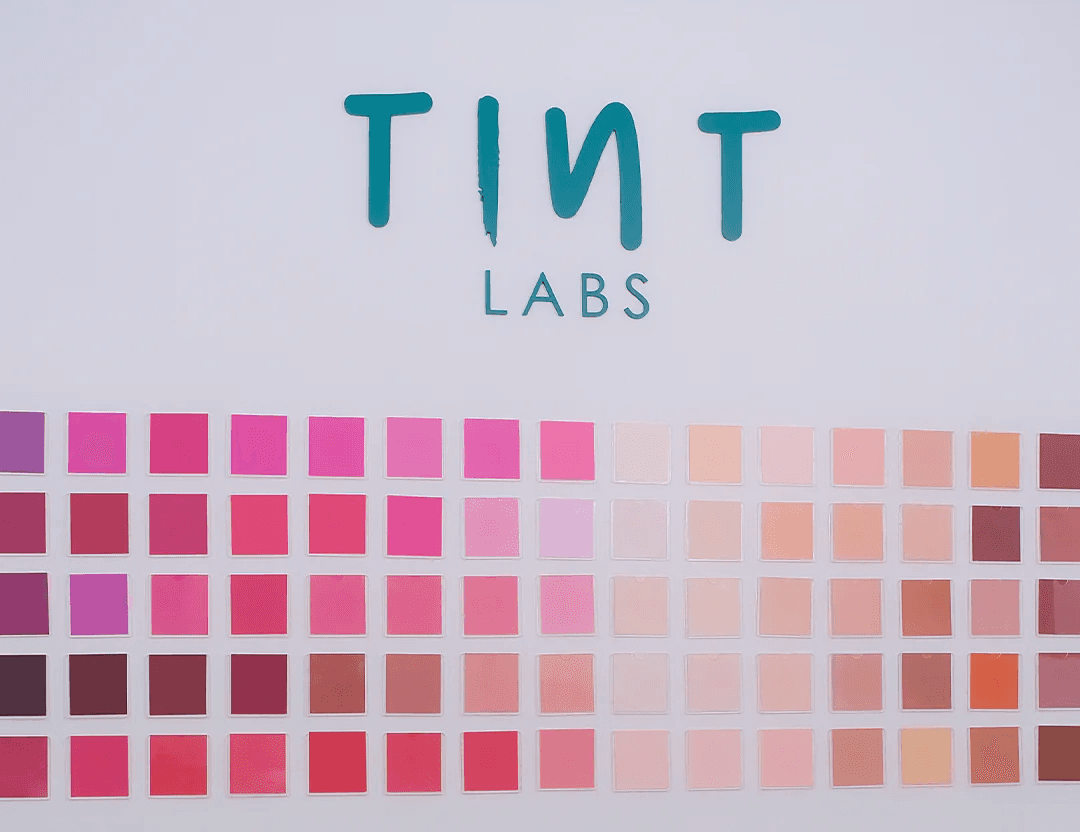
Tint Cosmetics, a new-age beauty brand, launched Tint Labs an in-house customisation workshop where customers can make their own lip products. Instead of choosing from pre-made shades, visitors participate in the process: mixing pigments, discovering formulas, and creating something that feels uniquely theirs.
This kind of participatory design turns shopping into creation. The act of making becomes a memory, a connection, a reason to belong.
Consumers don’t leave with just a product, they leave with agency.
Platforms like Instagram and marketplaces are discovery machines, but they are fundamentally digital. They give you exposure. They don’t give you context. However, experience - real, physical, multi-sensory, human, builds meaning.
For modern brands - from craft chocolate to art-inspired sneakers to custom beauty labs - the future isn’t in pushing products harder, it’s in designing experiences smarter.
Instead of selling what it is, the brands that win are selling what it feels like.
Not every brand needs a café, a factory tour, or a pop-up DJ set but every brand does need intentional experience - moments that go beyond products and into people’s lives.
And in a world where everything is available, the brands that resonate longest are the ones that give consumers something to experience and not just something to buy.


Let’s keep in touch.
Discover more. Follow us on Substack and Instagram.