
Is India Ready for Water in a Can?
For decades, bottled water in India has been one of the most unremarkable consumer categories imaginable. Clear plastic bottles, predictable labels, interchangeable brands, the product has largely competed on availability and price rather than identity. But every stagnant category eventually attracts reinvention.
Builder
/
Jayesh Joshi
Distribution Channels
/
D2C Website
Category
Food & Beverages
Funding
Early Stage
In the United States, Liquid Death proved that even water could be reimagined as a cultural product. By packaging water in tall aluminum cans and marketing it with irreverent humour, the brand turned a basic utility into a lifestyle statement. The product was still just water, but the context around it changed completely.
Now, similar thinking is beginning to surface in India.
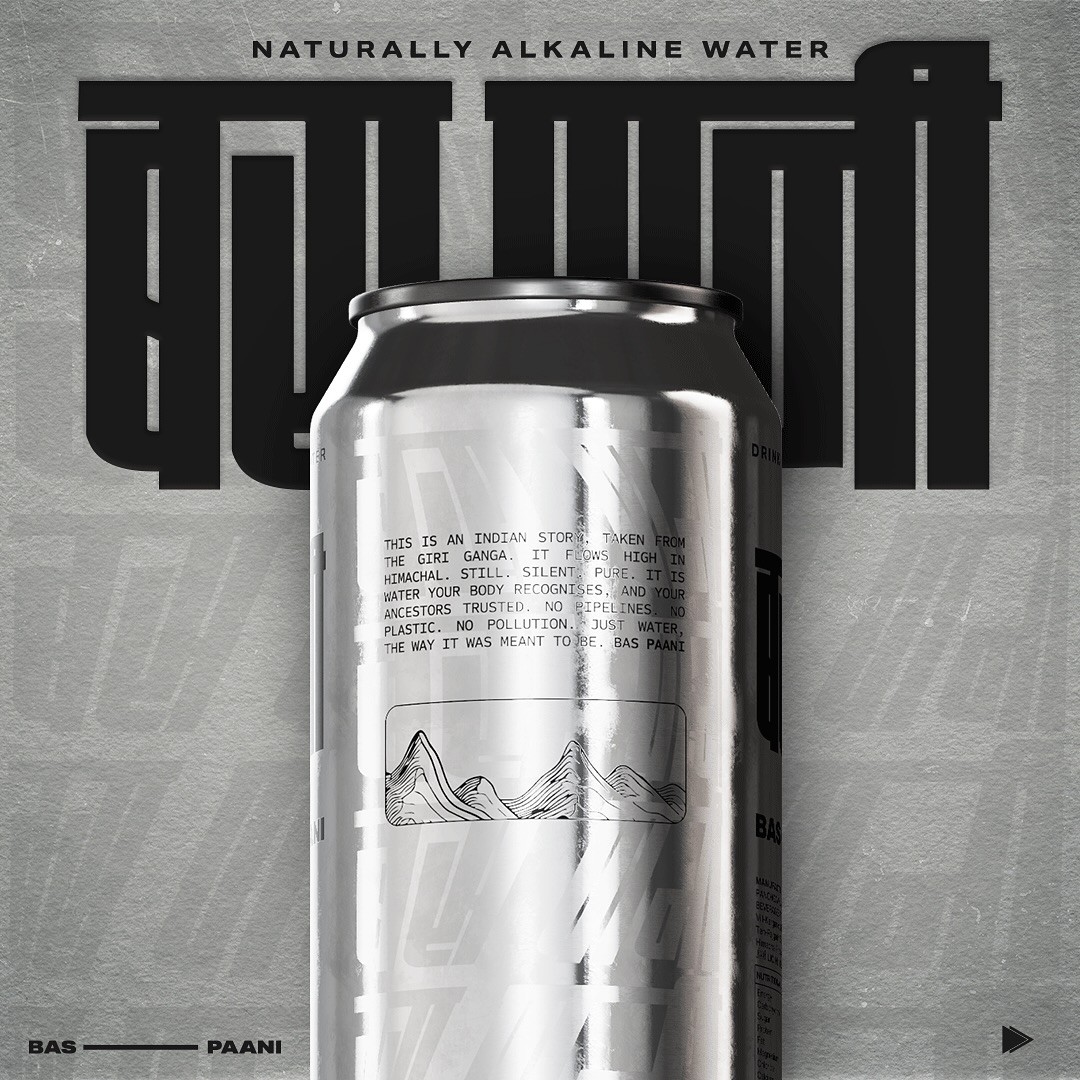
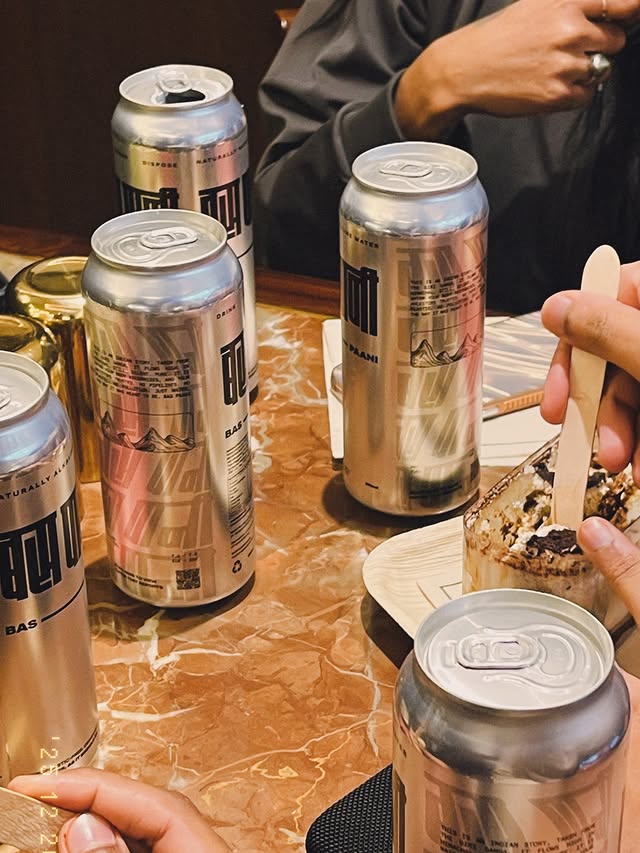
One such experiment is Bas Paani, a microplastic-free canned water brand that is attempting to bring premiumisation and personality to one of the country’s most essential commodities.
Water, Repackaged as Culture
At first glance, Bas Paani follows a familiar playbook. The product arrives in sleek aluminum cans rather than disposable plastic bottles. The design is minimal, modern, and intentionally different from traditional packaged water brands. The positioning emphasises purity and the absence of microplastics, an environmental and health concern increasingly entering public conversation.
Beyond packaging, the brand leans into a community-driven identity, borrowing from the cultural strategy that helped Liquid Death build a cult following. The idea is simple: if water is something everyone consumes, why shouldn’t it carry personality, design, and meaning? n theory, the proposition makes sense. Aluminum cans are infinitely recyclable and avoid the microplastic issues associated with many plastic bottles. For a younger, design-conscious consumer base that already values sustainability and brand storytelling, the format feels contemporary.