
How an Indian craft chocolate brand turned origin, experience, and design into a destination
Manam Chocolate is a Hyderabad-based craft chocolate brand founded by Chaitanya Muppala, built on a simple but bold idea: if India grows cacao, why shouldn’t Indian chocolate be rooted in Indian soil too?
Builder
/
Anomaly Brands
Distribution Channels
/
D2C Website
/
Physical Retail
Category
Food & Beverages
Funding
Pre-Series A Stage
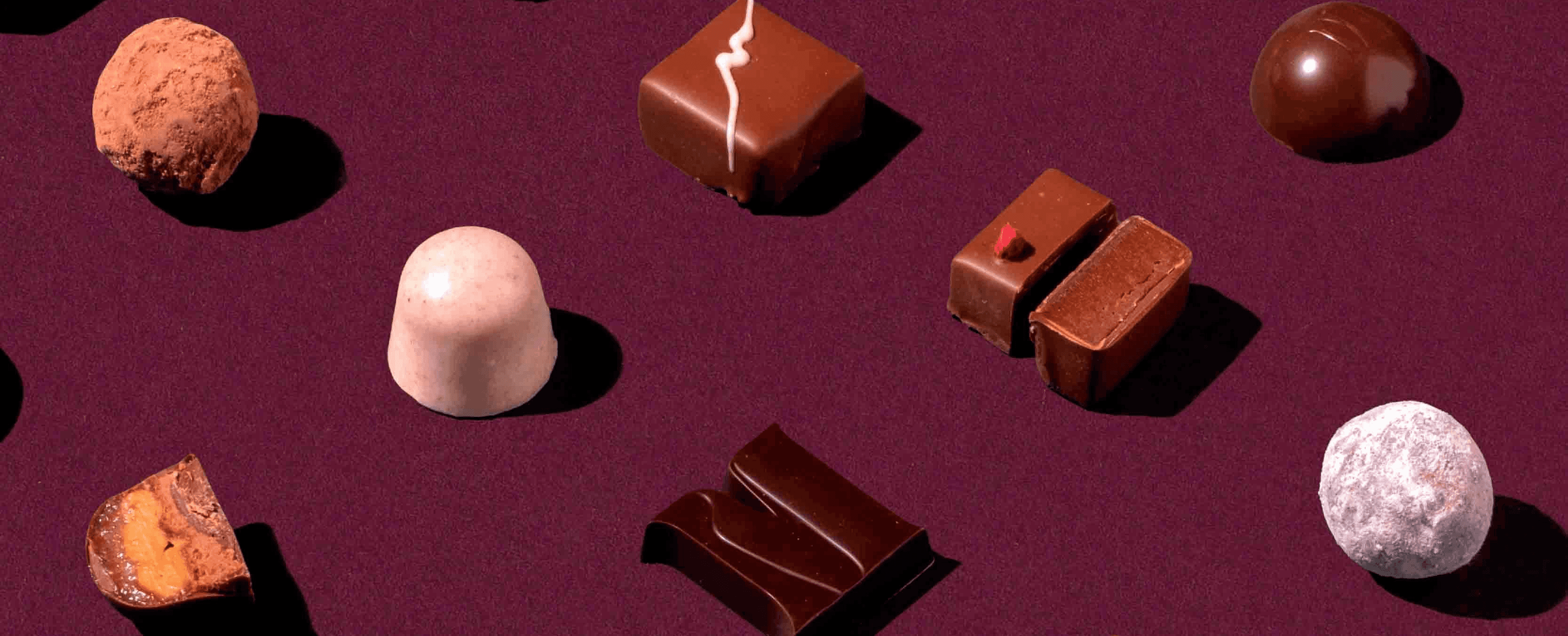
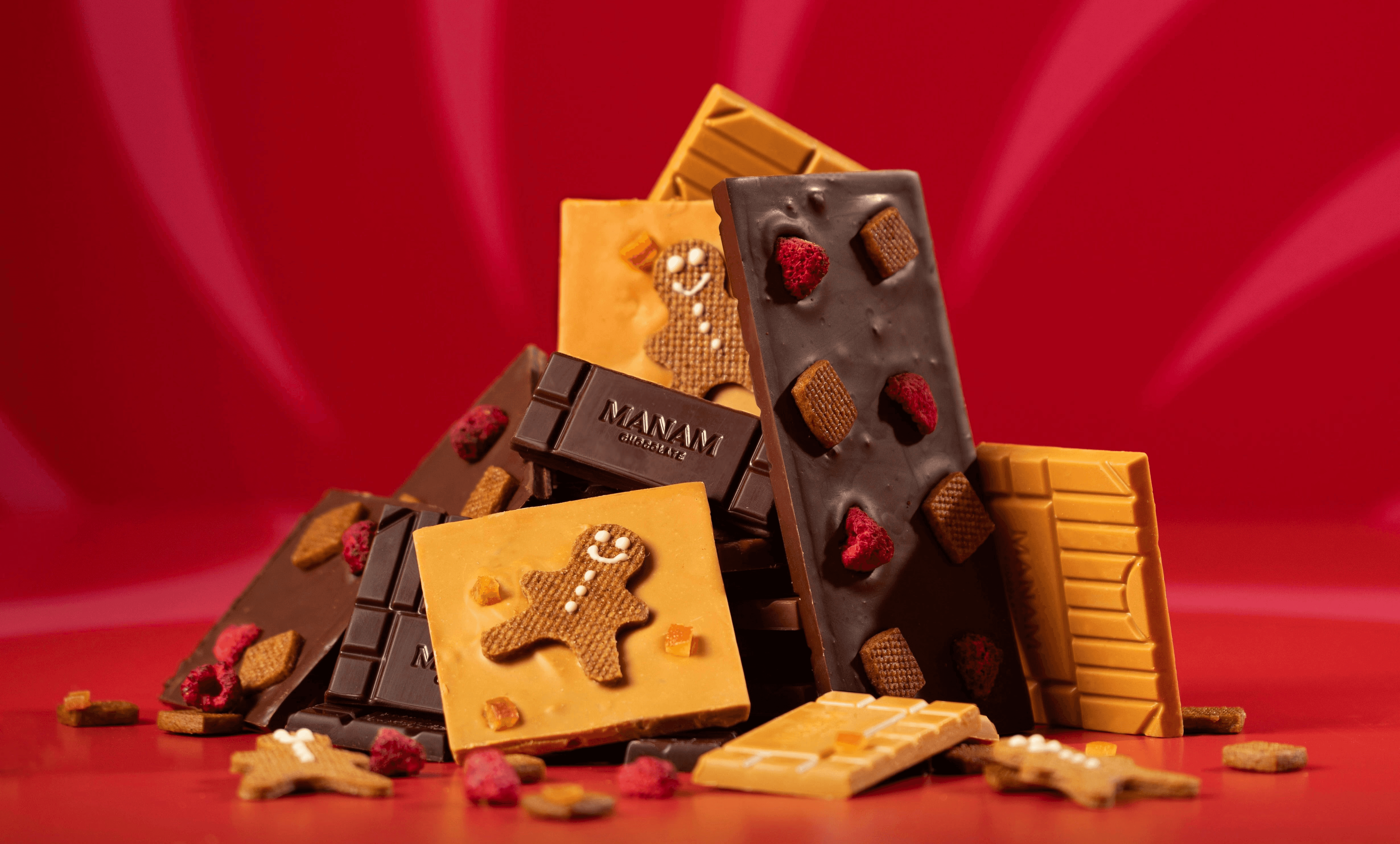
Indian Origin Isn’t Marketing - It’s Infrastructure
Manam didn’t just build Indian branding on top of global supply chains. They rebuilt the foundation. From cacao sourcing to processing, the brand has invested in local farmer relationships and origin transparency. Customers can scan QR codes on packaging to trace the journey of the chocolate, farm to bar. Transparency alone doesn’t sell products. Experience does.
“Elemental Grandeur” as a Design Philosophy
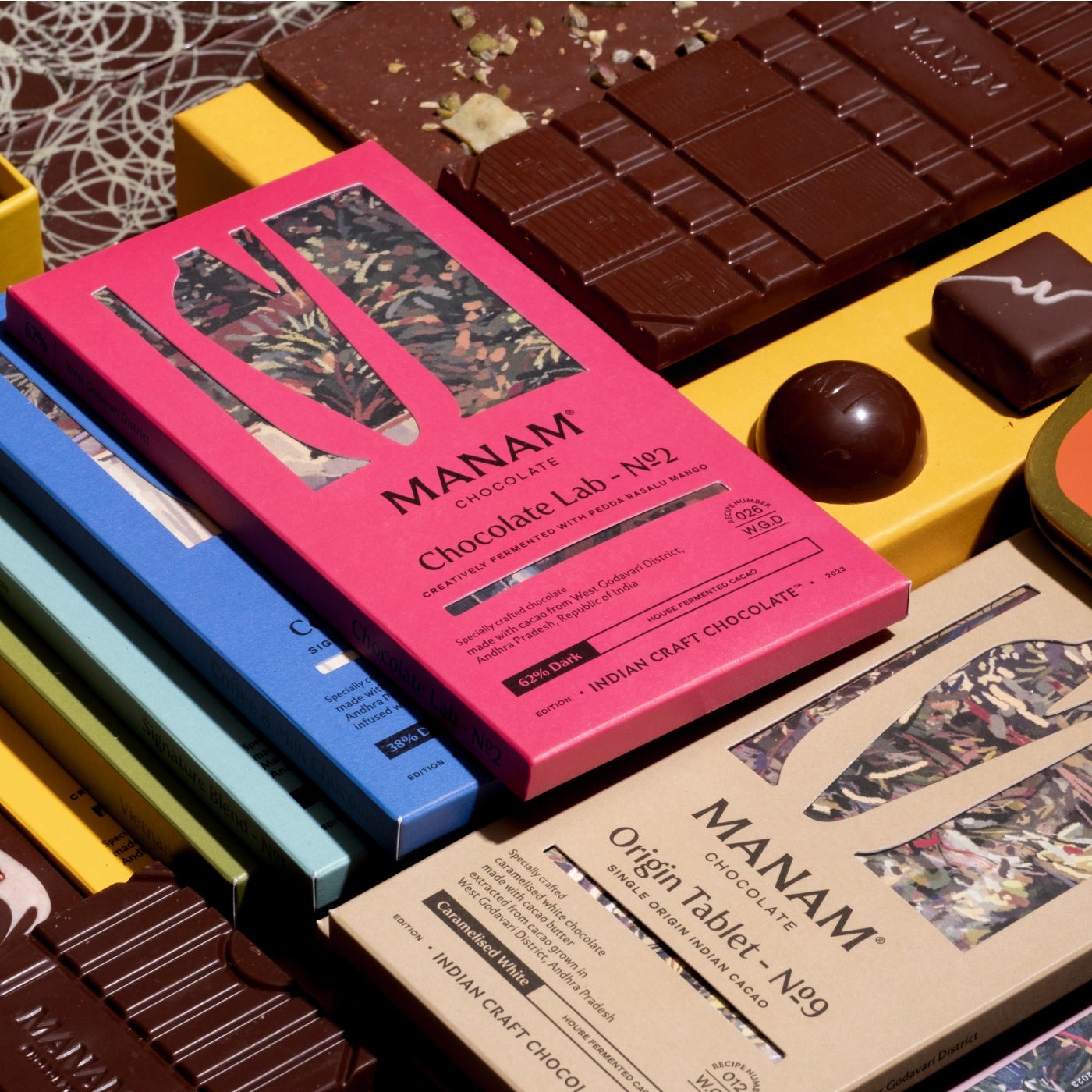
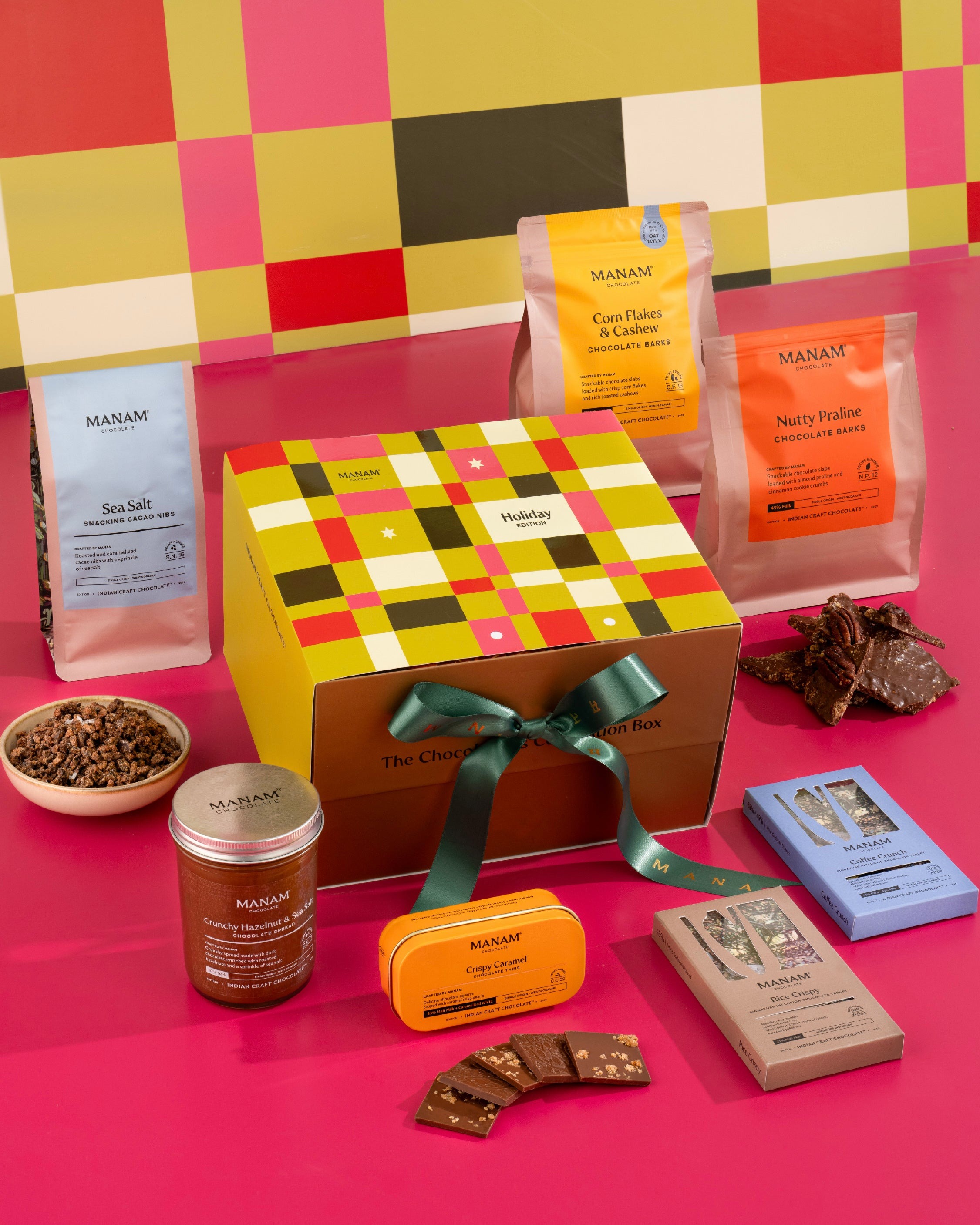
Manam’s design strategy is built around a concept they call “elemental grandeur.” It’s a philosophy that blends, visual simplicity, material honesty, quiet luxury and respect for raw ingredients
The result is packaging and spatial design that feels grounded, premium, and timeless and not loud or gimmicky. The brand visually connects the sophistication of finished chocolate with the rawness of farms, cacao beans, and process. It’s system-level design thinking.
Experience as Product
Manam doesn’t just sell chocolate, they stage the making of it. Their Hyderabad Karkhana is not a store. It’s an experience space where visitors can see the process, take tours and attend workshops. This transforms customers from buyers into participants.
+
Why We Appreciate Them
At Reborn Goods, we look for brands that understand that design is not just packaging - it’s systems, spaces, and stories working together.
Design That Feels Rooted, Not Forced
Manam’s identity doesn’t borrow global “craft aesthetics” blindly. Instead, it creates its own language, warm, tactile, architectural rooted in Indian origin stories without becoming nostalgic or ornamental.
That balance is rare.