
Designed in Copenhagen, Crafted in India: The Quiet Rise of “Japandi Made in India”
Walk into a contemporary design store anywhere in the world and you’ll notice a familiar aesthetic language: warm woods, restrained silhouettes, soft neutral tones. The influence is unmistakable, a blend of Scandinavian warmth and Japanese minimalism, often referred to as Japandi. It’s a style that values calm over clutter, function over ornament, and materials that age gracefully rather than impress instantly.
Builder
/
In House
Distribution Channels
/
D2C Website
/
Physical Retail
Category
Home Goods
Funding
Series A Stage
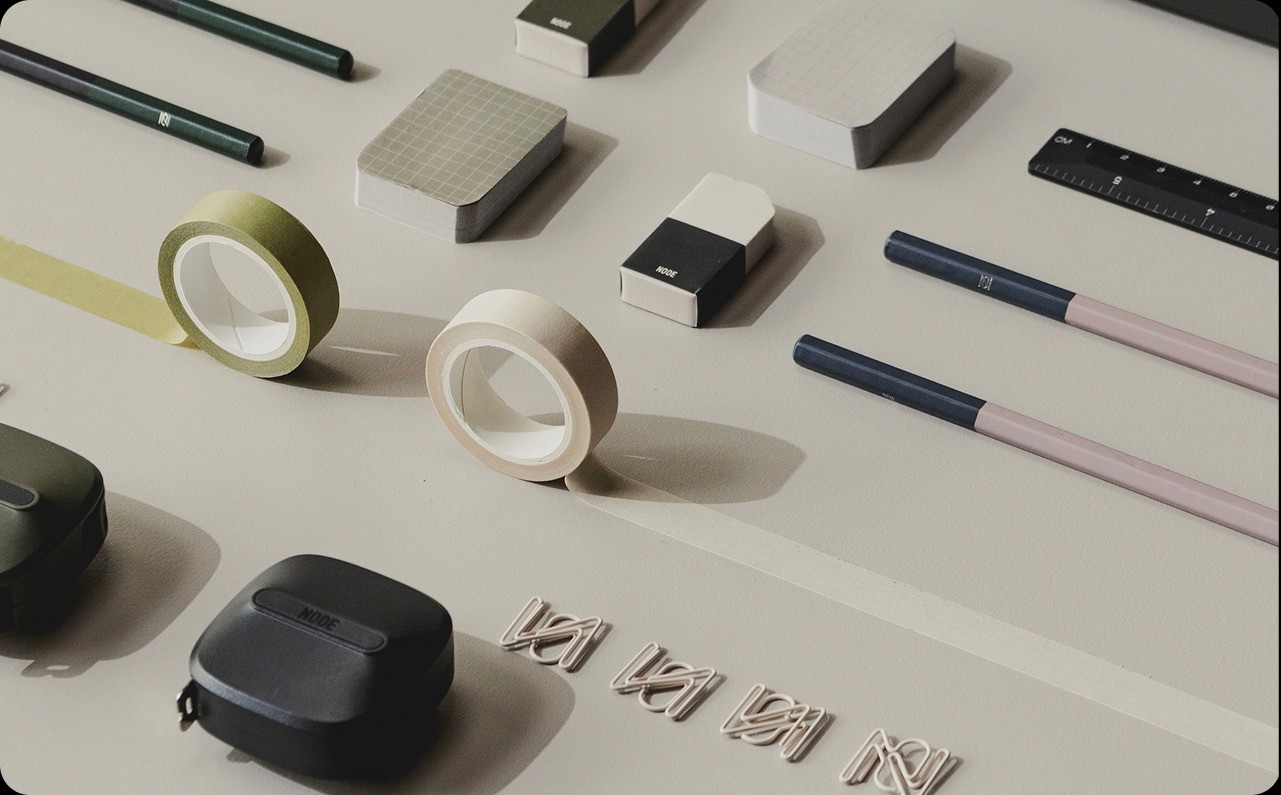
Calling NOOE a “Japandi” brand might appear to be an aesthetic label, but it functions equally as a strategic positioning move.
The term signals familiarity to global audiences already attuned to Scandinavian and Japanese design philosophies. It anchors the brand within a recognised visual language while allowing it to differentiate through material integrity and production transparency.
The brand is not trying to prove that Indian design can compete globally. It is quietly operating on the assumption that it already does.

+
A Larger Shift in Indian Design Brands
NOOE’s positioning reflects a broader trend among emerging Indian consumer brands. That shift is subtle but important.
For years, “Made in India” functioned primarily as a supply-chain descriptor. Increasingly, it is becoming a marker of design credibility as well.