Your Home Is Your Personality Now and Poppify Homes Gets That.
Builder
/
Start Inc
Distribution Channels
/
D2C Website
Category
Home Goods
Funding
Bootstrapped

For a long time, home decor aspired to a very specific look. Neutral walls. Clean lines. Beige everything. The kind of interiors that looked like a hotel lobby designed to offend nobody.
Gen Z moved into their first apartments, looked at that aesthetic, and collectively decided it was not for them.
What followed is being called dopamine decor: a movement rooted less in design theory and more in a simple idea. Your space should feel like you. Not a curated version of you, not the you that impresses guests, but the full, unfiltered, slightly chaotic you. Searches related to this style rose 280% on Pinterest in 2025, signaling a major cultural shift in how a generation designs and inhabits its living spaces.
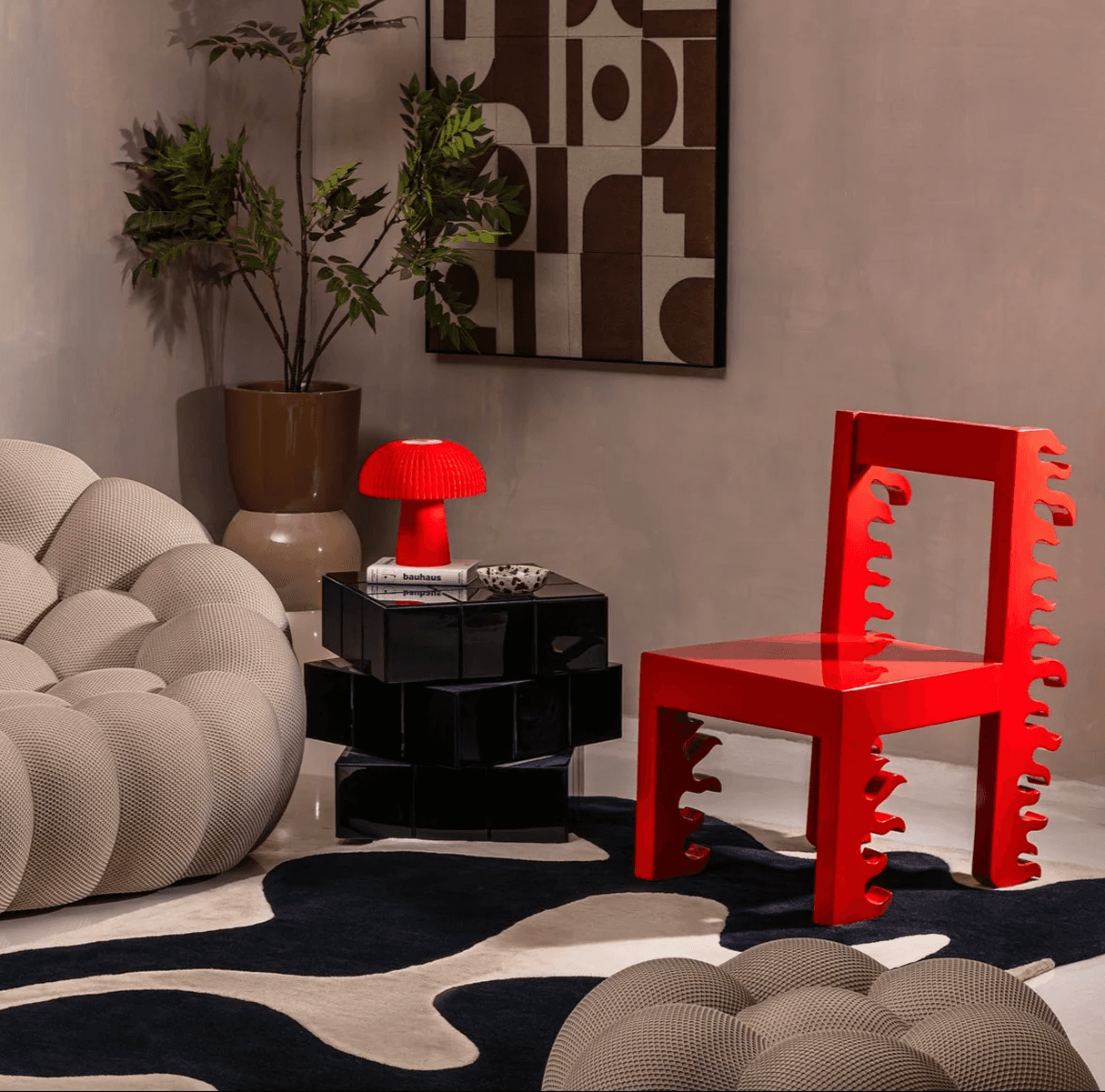
India took to this particularly naturally. Vibrant colors have always been part of Indian decor, and dopamine decor felt like a natural evolution. Fuchsia armchairs, sunny yellow vases, rugs that look like melted popsicles. The aesthetic was not foreign. It was simply being named, celebrated, and sold back to us.

+
The Gen Z Home as Identity
Previous generations decorated homes to signal arrival. The right furniture, the right art, the right palette. All carefully chosen to project a particular version of success.
Dopamine decor does not adhere to strict rules or guidelines. It celebrates personal preferences and encourages self-expression through colorful, playful elements. For a generation that has spent years curating digital identities, extending that curation into physical space is the obvious next step. Your room is your aesthetic. Your aesthetic is your identity. Your identity is worth designing for.
68% of homeowners now prioritize emotional well-being when designing their living spaces, and color-rich environments have been shown to boost mood by up to 31%. The shift is not arbitrary. It is deliberate. Design as emotional infrastructure.
Popify Homes exists precisely at this intersection. The brand makes bold, handcrafted furniture, planters, and decor. Pieces that do not apologize for taking up space, visually or emotionally. Their tagline says it plainly: "Every piece a smile."
What Popify understands, and what many home decor brands still miss, is that for Gen Z, a piece of furniture is not just functional. It is a statement. It is an extension of how you see yourself and how you want to be seen. The Ripple Mirror is not just a mirror. It is the first thing someone notices when they walk into your room. It tells them something about you before you say a word.